Pump the brakes on your week and take 10 minutes to make your life as a surgeon just a little better…
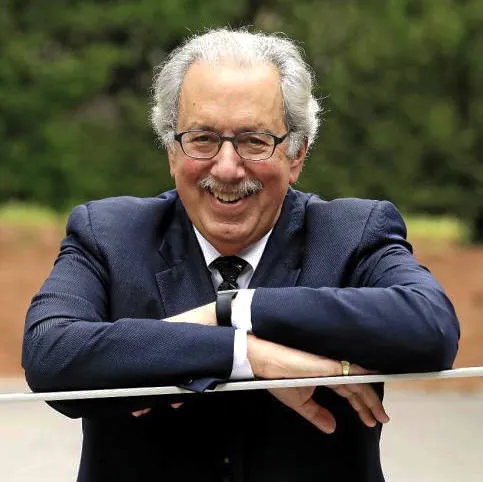
Jeff welcomes to the podcast Richard Boyatzis, PhD, Distinguished University Professor of Case Western Reserve University, and a Professor in the Departments of Organizational Behavior, Psychology, and Cognitive Science.
As healthcare providers, we learn so much about helping patients, which is fantastic. However, we often don’t apply these things we learn to ourselves.
Physicians and nurses study the autonomic nervous system but often do not apply it to themselves. The sympathetic nervous system helps you focus and problem solve, but it’s not good for your overall health. It raises your blood pressure, decreases your cognitive ability, and (perhaps worst of all) compromises your ability to pay attention to other people.
We now have documentation that every time you activate the task positive network you suppress the default mode. When you’re in a helping field, you need both. You need to be able to sort things out and solve problems, but you also need to be able to communicate with people.
It’s essential that healthcare professionals treat themselves. That doesn’t mean you have to cut back or shift fields. It may just mean you adjust the rhythm of your day.
What steps does Richard suggest we do take to support physician well-being?
Step 1 – Engage Proven Wellness Activities – Richard offers science-backed ways to engage in wellness that don’t have to be an hour every single day.
Step 2 – Focus on Purpose – Goals are great, and focusing on purpose and our why is even better.
Step 3 – Build Relationships – Being playful and laughing with others is a fantastic way to support our well-being.
Most importantly, PRACTICE the science of wellness!
Have feedback? Did this episode resonate with you? Share your thoughts by emailing Team@surgeonmasters.com. We’d love to hear from you!
Richard E. Boyatzis is Distinguished University Professor of Case Western Reserve University, and a Professor in the Departments of Organizational Behavior, Psychology, and Cognitive Science. He has a BS in Aeronautics and Astronautics from MIT and Ph.D. in Social Psychology from Harvard. His more than 200 scholarly and 50 practitioner articles examine sustained, desired change, leadership, emotional intelligence, competency development, coaching, neuroscience and graduate education. He is ranked in the top 2% in PLOS Biology and the top .05% of all worldwide scientists by Scholar GPS, for 2023 – 2025. His Coursera MOOCs have over 1 ½ million visitors and enrolled from 215 countries. His 10 books include: the international best-seller, Primal Leadership with Daniel Goleman and Annie McKee; Helping People Change with Melvin Smith and Ellen Van Oosten; and the new The Science of Change: Discovering Sustained, Desired Change from Individuals to Organizations and Communities.